Germany Opportunity Card Jobs: High Demand Careers Paying €50,000+
Germany Opportunity Card Jobs: High Demand Careers Paying €50,000+
Germany continues to reshape its immigration system to attract skilled professionals from around the world. Among the most important reforms, the Opportunity Card has created a practical route for qualified workers who want direct access to the German job market. For ambitious professionals who aim for strong salaries, this pathway offers a rare combination of flexibility, mobility, and long term career potential.
If you plan to build a career in Germany, understanding how high paying roles connect with the Opportunity Card (Chancenkarte) can completely change your relocation strategy.
This guide explores the types of jobs that regularly exceed €50,000, why these roles continue to grow, and how you can apply for the Opportunity Card with confidence.
What Makes the Opportunity Card Different
Traditional work visas often require a confirmed job offer before relocation. That requirement creates frustration for many skilled candidates. Employers hesitate to sponsor unknown applicants. Candidates struggle to attend interviews from abroad. The entire process becomes slow and uncertain.
The Opportunity Card removes this barrier.
Instead of demanding an employment contract upfront, Germany evaluates applicants using a points based system. Authorities assess qualifications, experience, language ability, and other measurable factors. Successful applicants can then travel to Germany and search for jobs locally.
This structure gives skilled professionals a powerful advantage.
You gain the ability to:
• Enter Germany without employer sponsorship
• Work part time during your job search
• Attend interviews in person
• Build professional networks
• Transition into long term permits
For high income careers, this flexibility becomes extremely valuable.
Why Germany Pays Premium Salaries in Key Sectors
Germany faces a persistent shortage of skilled workers. Several forces drive this trend.
First, demographic changes continue to reduce the domestic labor supply. A large portion of the workforce approaches retirement age.
Second, industries such as technology, engineering, and renewable energy continue to expand rapidly.
Third, digital transformation reshapes nearly every sector.
These pressures push employers to compete aggressively for talent. When demand rises and supply remains tight, salaries naturally increase.
Professionals who fill skill gaps often command compensation above €50,000, especially when they bring technical expertise or specialized knowledge.
High Demand Careers That Frequently Pay €50,000+
Salary ranges vary by region, experience level, and industry. However, several career categories consistently produce strong earnings.
Technology and Software Development
Germany’s digital economy continues to grow at a remarkable pace. Businesses across finance, logistics, healthcare, manufacturing, and research depend on advanced technology.
Roles with strong earning potential include:
• Software Developer
• Cloud Engineer
• Cybersecurity Specialist
• Data Scientist
• Machine Learning Engineer
• DevOps Engineer
Experienced professionals often secure salaries between €55,000 and €90,000. Specialists in artificial intelligence, distributed systems, and security architecture frequently exceed six figures.
Many German companies operate internationally, which increases demand for English speaking professionals. However, German language skills still strengthen career mobility and salary negotiation power.
Engineering and Technical Fields
Germany’s global reputation as an engineering powerhouse continues to drive demand for skilled experts.
High paying roles include:
• Mechanical Engineer
• Electrical Engineer
• Civil Engineer
• Automotive Engineer
• Mechatronics Engineer
• Industrial Automation Specialist
Mid career engineers often earn between €50,000 and €80,000. Professionals with niche expertise in robotics, renewable energy systems, semiconductor technology, or advanced manufacturing regularly command even higher compensation.
Germany’s industrial base values precision, innovation, and technical competence. Skilled engineers remain essential to maintaining this competitive edge.
Healthcare and Medical Professions
Germany’s aging population places enormous pressure on the healthcare system. Skilled medical professionals enjoy exceptional job security and strong salaries.
Careers with high income potential include:
• Medical Doctor
• Specialist Physician
• Dentist
• Pharmacist
• Clinical Researcher
• Medical Technology Expert
Doctors and specialists frequently earn well above €70,000. Certain medical specialties reach far higher compensation levels.
Healthcare roles also offer clear pathways toward permanent residency, making them especially attractive for long term planning.
Skilled Trades and Technical Specialists
Germany strongly values practical expertise. Advanced technical trades often produce surprising income levels.
Examples include:
• Industrial Electrician
• CNC Machinist
• Automation Technician
• Precision Mechanic
• Industrial Maintenance Specialist
Experienced professionals can surpass €50,000 through seniority, shift premiums, and specialized skill sets. Germany’s manufacturing sector depends heavily on these roles.
Finance, Data, and Business Analytics
Germany’s position as a financial center supports strong compensation for experienced professionals.
High demand roles include:
• Financial Analyst
• Tax Consultant
• Auditor
• Risk Manager
• Data Driven Business Analyst
Professionals with regulatory expertise, financial modeling skills, or data analytics backgrounds often earn between €55,000 and €100,000.
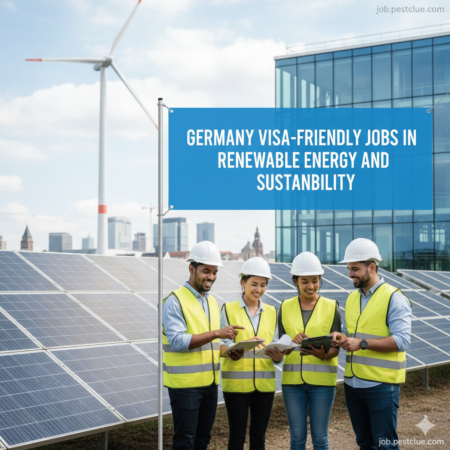
Renewable Energy and Sustainability Careers
Germany’s energy transition strategy continues to generate demand for specialists in green technologies.
Roles include:
• Renewable Energy Engineer
• Energy Systems Analyst
• Sustainability Consultant
• Environmental Technology Specialist
Technical expertise combined with sustainability knowledge creates powerful earning potential.
How the Opportunity Card Strengthens Your Job Search
Applying for jobs from abroad presents predictable obstacles. Employers worry about relocation logistics. Interviews become complicated. Communication gaps slow decision making.
The Opportunity Card eliminates many of these issues.
Once you arrive in Germany, employers treat you as a local candidate. You can attend interviews in person. You can build professional connections. Recruiters often respond faster when candidates already live in the country.
Physical presence dramatically improves hiring outcomes.
The Role of Language in Salary Growth
English speaking opportunities exist across technology, research, and multinational companies. However, German language proficiency unlocks broader job options and higher long term earnings.
Language skills help you:
• Expand your career opportunities
• Integrate into workplace culture
• Increase employer confidence
• Negotiate stronger compensation
Even intermediate German proficiency can create measurable advantages.
From Opportunity Card to Long Term Residency
The Opportunity Card represents an entry strategy rather than a final destination. After securing a qualifying job, many professionals transition into permits such as the EU Blue Card.
High income roles often meet Blue Card salary thresholds. This permit offers:
• Faster permanent residency timelines
• Family reunification benefits
• Greater career mobility
Professionals earning €50,000+ frequently qualify.
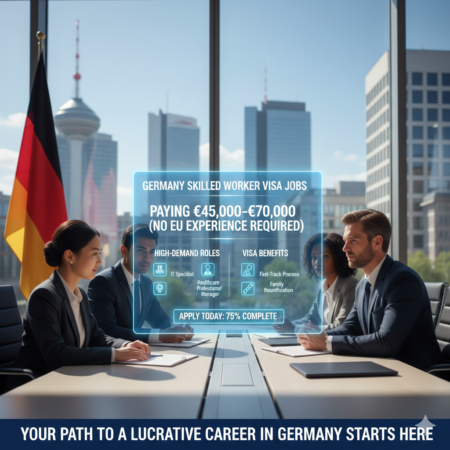
ALSO READ: Apply for Germany Skilled Worker Visa Jobs Paying €45,000–€70,000 (No EU Experience Required)
CHECK: When To Apply Pre-Emergent For Lawn Weeds Zone 7 (The Forsythia Rule 2026)
How to Apply for the Opportunity Card
Understanding the application process can remove uncertainty and help you prepare effectively.
1. Check Your Eligibility
Germany evaluates candidates using a points based system. Key evaluation factors include:
• Recognized educational qualifications
• Relevant work experience
• Language proficiency
• Age and career stage
• Professional skills
Start by reviewing official eligibility criteria through German immigration authorities or trusted government resources.
2. Gather Essential Documents
Successful applications require clear documentation. Typical requirements include:
• Valid passport
• Educational certificates
• Proof of professional qualifications
• Evidence of work experience
• Language certificates if available
• Financial proof for living expenses
Accuracy and consistency matter greatly. Ensure that all documents align with German standards.
3. Verify Qualification Recognition
Germany places strong emphasis on recognized qualifications. Many professions require credential evaluation through official recognition bodies.
Regulated professions such as healthcare, engineering, and certain technical fields often require formal approval.
4. Demonstrate Financial Stability
Applicants must show sufficient funds to support themselves during the job search period. This requirement reassures authorities that candidates can live independently.
5. Submit Your Application
You can submit applications through:
• German embassies or consulates
• Official visa application centers
Follow official procedures carefully. Provide complete documentation. Respond promptly to any additional requests.
6. Prepare for Your Job Search
Approval marks the beginning rather than the end.
Before relocation:
• Research high demand industries
• Adapt your resume to German standards
• Practice interview preparation
• Strengthen language skills
• Identify target employers
Preparation significantly improves employment outcomes.
Where to Find High Paying Jobs
Focused job searching produces far better results than random applications.
Reliable resources include:
• The Federal Employment Agency (Bundesagentur für Arbeit)
• Professional networking platforms
• Industry specific job boards
• Company career portals
• Recruitment agencies
Networking often plays a decisive role in Germany’s hiring culture.
Common Mistakes That Reduce Salary Potential
Many skilled professionals unintentionally limit their earnings.
Frequent errors include:
• Accepting offers without researching salary benchmarks
• Presenting poorly structured resumes
• Ignoring specialization opportunities
• Underestimating language impact
• Applying without industry targeting
Strategic positioning can dramatically influence income levels.
Final Thoughts
Germany’s Opportunity Card represents a major shift in global mobility. Skilled professionals no longer need to wait for sponsorship approval from abroad. Instead, they can access the German job market directly and compete on equal footing.
High demand careers paying €50,000+ remain widely available across technology, engineering, healthcare, finance, and advanced technical fields. Candidates who combine strong qualifications with thoughtful preparation can transform relocation into a structured, achievable plan.
Germany offers more than employment opportunities. It offers career stability, professional growth, and long term residency pathways.