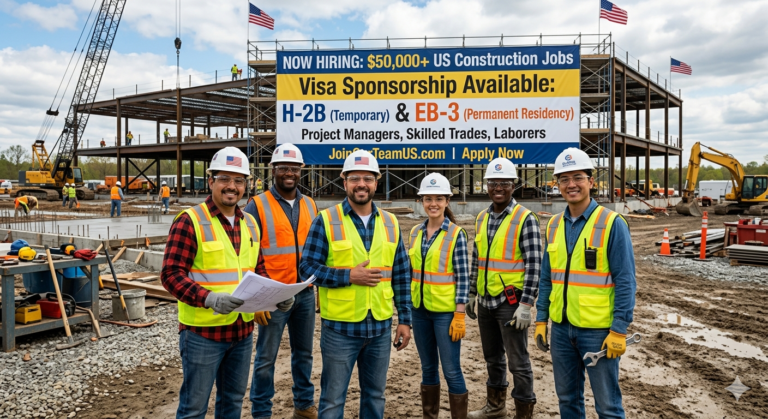
United States Skilled Trade Jobs Hiring Foreign Workers
United States Skilled Trade Jobs Hiring Foreign Workers
The United States has an increasing demand for skilled trade professionals across construction, manufacturing, energy, and technical services. Labor shortages in these sectors create opportunities for qualified foreign workers to secure employment, earn competitive salaries, and gain long-term stability. Many U.S. employers sponsor work visas, making it possible for international professionals to live and work in the United States legally.
This guide provides information about skilled trade jobs that hire foreign workers, including salary expectations, visa eligibility, qualifications, and step-by-step instructions for applying. It also offers strategies for building a successful career in the U.S. skilled trades sector.

Why Skilled Trade Workers Are in High Demand in the United States
Several factors contribute to the growing need for skilled trade workers in the United States.
- Many experienced workers are retiring, creating vacancies in construction, manufacturing, and technical fields
- Infrastructure and industrial projects are expanding rapidly, increasing the need for qualified labor
- Limited domestic workers with specialized training are available in certain trades
- New technologies and renewable energy projects require technically skilled professionals
Employers hire foreign skilled trade workers to fill these critical roles and maintain productivity. Sponsoring international employees allows companies to access talent with specialized expertise that may not be available locally.
Types of Skilled Trade Jobs Hiring Foreign Workers
Skilled trades cover a wide range of occupations that require technical knowledge, hands-on experience, and certifications. Many of these roles qualify for U.S. work visa sponsorship.
Electricians
Electricians install, maintain, and repair electrical systems in residential, commercial, and industrial settings. These professionals are essential for construction projects, energy installations, and building maintenance.
Salary range: $50,000 to $75,000 annually
HVAC Technicians
Heating, ventilation, and air conditioning technicians install, maintain, and repair climate control systems in homes, businesses, and industrial facilities. The ongoing need for energy-efficient and climate-regulated spaces ensures strong demand for these professionals.
Salary range: $45,000 to $70,000 annually
Plumbers and Pipefitters
Plumbers and pipefitters install and repair piping systems for water, gas, and waste. They work in residential buildings, commercial spaces, and industrial facilities. Skilled professionals in this field are highly sought after due to construction growth and infrastructure maintenance.
Salary range: $50,000 to $80,000 annually
Welders and Fabricators
Welders and fabricators create and repair metal structures used in construction, manufacturing, and energy projects. These workers are essential for pipeline installations, machinery fabrication, and structural components.
Salary range: $50,000 to $75,000 annually
Carpenters and Construction Workers
Carpenters construct and repair building frameworks, furniture, and specialized structures. Skilled construction workers are critical for both new construction and renovation projects across residential and commercial sectors.
Salary range: $45,000 to $70,000 annually
Industrial Machinery Technicians
Industrial machinery technicians maintain, repair, and troubleshoot production equipment used in manufacturing and energy sectors. Their expertise ensures smooth operations and minimizes downtime in industrial facilities.
Salary range: $50,000 to $80,000 annually
Automotive Technicians
Automotive technicians repair and maintain vehicles, including cars, trucks, and specialized equipment. With the growth of the automotive industry and transportation networks, these roles are in steady demand.
Salary range: $45,000 to $65,000 annually
Sheet Metal Workers
Sheet metal workers fabricate and install metal components for ductwork, roofing, and structural applications. These roles are essential in construction, HVAC projects, and industrial facilities.
Salary range: $50,000 to $70,000 annually
Eligibility Requirements for Foreign Skilled Trade Workers
Foreign workers must meet specific requirements to qualify for skilled trade jobs in the United States.
- Relevant vocational training, certification, or technical education
- Practical experience in the trade
- English communication skills sufficient for workplace safety and coordination
- Employer sponsorship for an appropriate work visa, such as H-2B
- Clean criminal record and good health
Some states require additional licensing for trades such as electricians, plumbers, or HVAC technicians. Meeting these requirements ensures compliance and eligibility for employment.
Work Visa Options for Skilled Trade Workers
Foreign skilled trade professionals generally need a work visa to legally work in the United States. Common options include:
H-2B Visa
This visa is for temporary or seasonal non-agricultural workers. It allows foreign professionals to work in construction, hospitality, or technical trades for a defined period. Employers must demonstrate a shortage of domestic labor and apply for approval to hire international candidates.
H-1B Visa
Some highly technical trade roles that require advanced knowledge or engineering expertise may qualify for an H-1B visa. These positions often demand a bachelor’s degree or higher in a relevant field.
Permanent Residency Opportunities
Employment in high-demand trades may lead to eligibility for a green card through employer sponsorship. Long-term employment and demonstrated skill can accelerate the path to permanent residency.
Salary Expectations
Salaries for skilled trade positions vary depending on experience, location, and specialization.
- Electricians: $50,000 to $75,000
- HVAC Technicians: $45,000 to $70,000
- Plumbers: $50,000 to $80,000
- Welders: $50,000 to $75,000
- Carpenters: $45,000 to $70,000
- Industrial Machinery Technicians: $50,000 to $80,000
- Automotive Technicians: $45,000 to $65,000
- Sheet Metal Workers: $50,000 to $70,000
Locations with higher costs of living, such as New York, California, or Illinois, may offer higher wages to compensate.
ALSO READ: Apply for United States Work Visa Eligible Jobs Paying $50,000 to $80,000
CHECK: Why Does My Dog Smell Like Corn Chips? (Frito Feet Explained + Easy Fix)
How to Apply for Skilled Trade Jobs
Securing a skilled trade job in the U.S. requires careful planning and preparation.
Step 1: Verify Qualifications
Ensure your certifications and technical training meet U.S. industry standards. Some trades require state-specific licensing in addition to federal requirements.
Step 2: Prepare Documentation
Documents to prepare include:
- Resume highlighting relevant skills and experience
- Certificates, diplomas, and licenses
- Evidence of work experience
- Proof of English proficiency
- Letters of recommendation or references
Step 3: Identify Employers
Look for companies with a record of hiring foreign skilled trade workers. Resources include:
- U.S. Department of Labor H-2B visa employer lists
- Company websites and career portals
- Recruitment agencies specializing in skilled trade placements
- Networking through professional platforms such as LinkedIn
Step 4: Submit Applications
Tailor your resume and cover letter to each position. Emphasize technical expertise, practical experience, and readiness to work in the U.S.
Step 5: Prepare for Interviews
Employers may conduct practical skill tests, technical assessments, and multiple interview rounds to assess suitability.
Step 6: Work Visa Application
After receiving a job offer, the employer files a petition for the relevant visa. The process typically includes document verification, payment of fees, and consular interviews.
Maximizing Career Growth
Foreign skilled trade workers can advance their careers by:
- Earning additional certifications and licenses
- Staying up to date with industry technologies
- Building networks with trade associations and professionals
- Seeking senior or supervisory positions
- Exploring long-term residency and permanent employment opportunities
These strategies enhance earning potential and career stability.
Common Mistakes to Avoid
- Applying for jobs without confirming visa eligibility
- Overlooking licensing requirements for specific trades
- Accepting salaries below market rates
- Submitting incomplete or inaccurate documentation
- Ignoring networking and professional development opportunities
Avoiding these mistakes ensures a smoother hiring process and stronger career outcomes.
Benefits of Working in Skilled Trades
Working in skilled trades in the United States offers:
- Salaries ranging from $45,000 to $80,000
- Long-term employment and job security
- Opportunities for professional development and certifications
- Exposure to advanced equipment, tools, and industry standards
- Pathways to permanent residency and family sponsorship
Where to Find Skilled Trade Jobs
Foreign workers can find skilled trade job opportunities through multiple channels:
- U.S. Department of Labor H-2B visa employer lists
- Career pages of construction, manufacturing, and technical companies
- Recruitment agencies specializing in foreign trade workers
- Professional networks such as LinkedIn
- Trade fairs and job expos
Using multiple sources improves visibility and increases access to eligible positions.
Final Thoughts
The United States offers extensive opportunities for foreign skilled trade workers. With competitive salaries, career advancement potential, and visa sponsorship options, skilled trades such as electrical work, plumbing, HVAC, welding, carpentry, and machinery maintenance are in high demand.
Success depends on verified qualifications, understanding visa requirements, and applying strategically. Foreign professionals who focus on high-demand trades, maintain technical expertise, and network effectively are most likely to secure rewarding jobs in the United States.
Skilled trade jobs provide international workers with career stability, financial security, and long-term opportunities, making the United States a strong choice for professional growth and life in a thriving economy.