United States Industries Facing Quiet Labor Shortages Beyond Tech & Healthcare
United States Industries Facing Quiet Labor Shortages Beyond Tech & Healthcare
When people think about labor shortages in the United States, technology and healthcare dominate the conversation. Headlines frequently highlight gaps in software engineering and nursing. Yet behind the scenes, many other industries face significant workforce shortages too. These sectors play critical roles in the economy, yet they receive far less public attention.
Labor shortages do not arise overnight. They reflect deeper shifts in demographics, economic trends, worker preferences, training pathways, and industry growth. As demand accelerates, employers struggle to hire and retain talent. This creates economic friction, broken supply chains, and underutilized potential.
For job seekers, this reality presents a unique advantage. Industries with quiet labor shortages often offer strong wages, rapid career growth, job security, and real opportunities for advancement. International job seekers, career changers, and skill-focused professionals can benefit by understanding where demand actually exists.

This article explores the U.S. industries facing labor shortages outside of tech and healthcare. We break down why shortages occur, which occupations face the greatest gaps, and how workers can prepare to enter these fields.
What “Quiet Labor Shortages” Really Means
A labor shortage happens when employers cannot find enough qualified candidates for open positions. Quiet shortages occur in industries that do not attract massive media coverage or public awareness. These shortages might operate below the radar, yet they shape business growth, wages, and local economies.
Here’s why these shortages matter:
- Wages often rise faster where demand outpaces supply
- Employers offer incentives to attract workers
- Competition for talent can shift regionally or by specialty
- Career stability increases where shortages persist
Understanding these trends empowers job seekers to target growth fields that others overlook.
Key Factors Driving Labor Shortages Beyond Tech & Healthcare
Labor shortages rarely appear randomly. Several structural reasons fuel shortages in the following industries:
1. Demographic Shifts
Aging populations reduce the size of the working age group in many regions.
2. Skills Mismatches
Employers need specific technical skills that traditional education does not always provide.
3. Geographic Disparities
Some regions grow faster than their local labor supply can support.
4. Lifestyle Preferences
Young workers increasingly choose urban living, remote work, or careers with flexible schedules.
5. Evolving Industry Needs
Automation, new systems, and advanced equipment increase demand for specialized workers.
These forces affect many industries quietly but powerfully.
1. Transportation & Logistics
Transportation and logistics now rank among the most critical pieces of the U.S. economy. Every product you use travels through a complex web of drivers, warehouse workers, planners, and managers.
ALSO READ: How Foreign Professionals Can Get Sponsored Jobs in the United States Without Using Agents
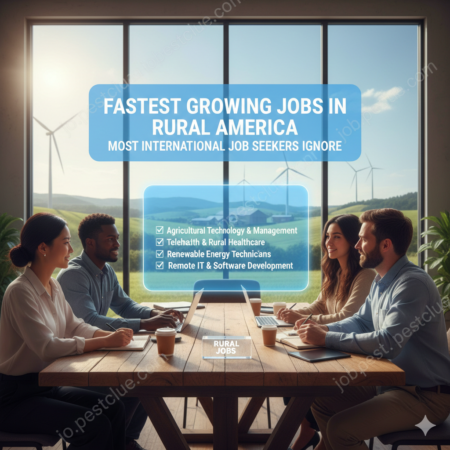
CHECK: Fastest Growing Jobs in Rural America Most International Workers Ignore
Why Shortages Exist
● E-commerce growth drives up demand for faster delivery
● Older drivers retire faster than replacements enter the field
● Training pathways remain limited for many logistics roles
● Salary perception lags demand in many regions
As a result, carriers, shipping companies, and supply networks struggle to hire qualified individuals.
Roles with Strong Demand
- Commercial truck drivers
- Heavy equipment operators
- Warehouse managers
- Distribution coordinators
- Fleet logistics analysts
Real World Impact
When companies cannot staff enough drivers or warehouse workers, supply chains slow down. Shipping delays increase costs. Businesses delay expansion.
How Workers Can Enter
Career paths often begin with entry-level training, certification (like a commercial driver’s license), and hands-on experience. Experienced drivers and supervisors now enjoy strong earning potential and incentives such as signing bonuses, tuition reimbursement, and flexible schedules.
2. Skilled Trades & Construction
The trades face a major workforce gap. Electricians, plumbers, carpenters, and HVAC specialists keep America running—but they remain in short supply.
Why This Industry Lags
● Young workers lack exposure to skilled trade careers
● Stereotypes discourage pursuit of technical training
● Apprenticeship programs still operate below peak capacity
● Retirement accelerates vacancies
These factors converge to create persistent shortages.
High Demand Occupations
- Electricians
- Plumbers
- Welders
- HVAC technicians
- Solar panel installers
- Heavy equipment operators
Wage Benefits
Skilled trades now pay competitive wages with benefits. Many workers earn six figures after experience and certifications. Trades often offer stable schedules, strong demand, and opportunities for self-employment.
Entry Routes That Work
- Apprenticeship programs
- Technical certificates
- Trade school programs
- On-the-job training
Workers can begin earning while they learn. This contrasts with traditional degree pathways, which often require upfront expenses and years of classroom time.
3. Manufacturing & Industrial Production
Manufacturing remains a backbone of the U.S. economy. Advanced facilities produce everything from vehicles to electronics to essential components for international supply chains.
Yet many plants struggle to attract enough qualified technicians and operators.
Root Causes of Shortages
● Rapid automation raises skill requirements
● Older workforce retires faster than replacements arrive
● Traditional education undervalues manufacturing careers
● Perceptions about factory work lag reality
Today’s manufacturing facilities feature robotics, data analysis, precision machinery, and digital systems. This modern environment demands trained, adaptable workers.
Positions in High Demand
- Industrial machine operators
- Precision technicians
- CNC programmers
- Quality control specialists
- Automation maintenance technicians
Why Demand Matters
Shortages in these roles slow production, reduce output, and push manufacturers to automate even faster—deepening the need for skilled workers.
Pathways into the Field
- Vocational training
- Technical certificates
- Community college associate programs
- Employer-led training programs
Unlike some degree requirements, many manufacturing careers reward hands-on skill demonstration over formal degrees.
4. Agriculture & Agribusiness
Agriculture stands as one of the oldest industries in the United States, yet it continually evolves. Modern farms now operate like high-tech enterprises.
Sources of Shortages
● Seasonal demand fluctuates with crop cycles
● Urban migration leaves rural communities with fewer workers
● Specialized equipment requires trained operators
● Large farms compete for limited labor
These factors create ongoing hiring challenges.
Critical Roles in Demand
- Precision agriculture specialists
- Irrigation and equipment technicians
- Agronomy advisors
- Livestock production supervisors
- Food processing workers
Technology Drives New Roles
Today’s farms rely on drones, sensors, GPS systems, and data analytics. Workers who understand both agriculture and technology now attract premium wages.
Long Term Opportunities
Workers can build stable careers, move into management, or start their own agribusiness ventures. Experience and technical training matter more than traditional degrees in these fields.
5. Energy & Utilities (Beyond Traditional Power)
Energy industries now include renewable energy, power grid modernization, and utility infrastructure upgrades. These sectors face emerging labor gaps.
Why Workers Aren’t Keeping Pace
● Rapid transition to renewables demands new skill sets
● Retiring workers leave behind infrastructure knowledge gaps
● Training programs lag industry needs
As older workers depart, utilities often cannot fill increasingly technical roles.
Jobs in Demand
- Wind turbine technicians
- Solar energy installers
- Electrical linemen
- Power grid technicians
- Utility project managers
Economic Impact
Labor shortages in utilities can delay infrastructure projects, slow clean energy adoption, and increase costs for consumers.
Entry Routes That Work
Many roles require certification programs, short-term training, or apprenticeships. Renewable energy training centers now operate nationwide, preparing workers for high demand careers.
6. Education & Childcare Services
Schools and childcare services face ongoing hiring challenges. These shortages impact local communities, working parents, and regional economies.
Root Causes
● Lower compensation compared to other professions
● Rising education costs
● Limited career awareness
● Geographic imbalances
These gaps now affect both rural and urban regions alike.
Critical Needs
- Early childhood educators
- Special education instructors
- STEM instructors
- Teacher assistants
- Childcare providers
Real World Consequences
When schools cannot hire enough educators, class sizes increase. Childcare shortages force parents to reduce work hours or leave the workforce.
Career Entry Paths
- State-level certifications
- Community college teaching programs
- Credential programs
- Practical experience
Many states now offer incentives, loan forgiveness, and salary supplements to attract educators.
7. Hospitality & Tourism (Beyond Major Destinations)
Hospitality remains a major employer across the United States, yet many regions struggle to fill key roles.
Why Shortages Persist
● Post-pandemic turnover remains high
● Wage expectations do not always match market demand
● Seasonal work peaks create temporary gaps
● Workers prefer remote or flexible positions
These conditions affect restaurants, hotels, and service industries across every state.
Roles in Demand
- Restaurant managers
- Chefs and cooks
- Event coordinators
- Hotel operations managers
- Guest services specialists
Hidden Opportunity
Destination towns, rural resorts, and regional travel hubs now compete fiercely for workers, offering incentives and advancement paths.
Pathways to Enter
- On-site training
- Hospitality certifications
- Management training programs
- Apprenticeship-style progression
Hospitality offers opportunities for workers who value customer service, leadership, and hands-on experience.
8. Supply Chain & Procurement
Supply chains now shape global trade, logistics networks, and business continuity strategies. The pandemic revealed deep vulnerabilities and accelerated the need for skilled professionals.
Why Shortages Exist
● Complexity of modern supply networks
● Need for technology integration
● Retirement of experienced planners
● Lack of formal training programs
Yet supply chain roles now offer advanced compensation and career growth.
Key Roles in Demand
- Procurement specialists
- Supply chain analysts
- Inventory planners
- Demand forecasters
- Vendor management professionals
Training That Matters
Many supply chain leaders enter through business certificates, short-term training, industry organizations, or direct experience. Employers now reward skill over traditional degrees more than ever before.
9. Public Safety & Emergency Services
Public safety roles keep communities secure, yet many departments operate with critical staffing gaps.
Why Labor Shortages Occur Here
● Retirement rates outpace recruitment
● Training requirements can lengthen hiring timelines
● Rural and regional agencies struggle to attract workers
● Perceptions about public safety careers influence applicant pools
These shortages impact police departments, fire services, and disaster response units.
Roles in Demand
- Firefighters
- Emergency dispatchers
- Paramedics
- Disaster response coordinators
- Law enforcement specialists
Career Benefits
Public safety workers often enjoy structured progression, pension benefits, retirement programs, and strong community roles.
10. Environmental & Conservation Services
Climate action, natural resource management, and sustainability programs now offer real career pathways. Yet many people overlook these fields.
Why Labor Gaps Emerge
● New environmental regulations require trained workforce
● Public awareness grows faster than training pipelines
● Rural conservation projects face hiring challenges
These conditions create opportunities in government agencies, NGOs, and private sector initiatives.
Jobs in Demand
- Environmental technicians
- Wildlife managers
- Soil and water conservationists
- Renewable resource planners
- Sustainability consultants
Training Routes
Certificates, specialized bachelor programs, and hands-on internships now prepare workers for these roles. The field rewards both technical knowledge and passion for environmental impact.
Strategies for Workers to Enter Shortage Industries
Understanding where demand exists only matters if workers know how to prepare and act. Here’s a roadmap:
1. Focus on Skills, Not Just Degrees
Employers increasingly value skills above diplomas.
2. Pursue Certifications That Matter
Certifications often open doors quickly and cost far less than traditional degrees.
3. Gain Practical Experience
Hands-on training, apprenticeships, and real world practice accelerate employability.
4. Target Regional Demand
Focus searches beyond major cities. Many shortage jobs cluster in regional and rural areas.
5. Build a Professional Portfolio
Documenting experience and accomplishments gives applicants a competitive edge.
6. Stay Updated on Industry Trends
Field-specific news, regulatory changes, and employer expectations shift constantly.
Why These Labor Shortages Matter for the U.S.
Labor shortages don’t just affect employers. They influence economic growth, community stability, wages, and migration patterns.
When workers fill critical roles:
- Businesses expand production
- Local economies gain resilience
- Wages rise with competition
- Innovation accelerates
- Communities enjoy better services
These outcomes benefit workers and society.
Final Thoughts
Strong labor demand no longer resides only within tech and healthcare. Many essential sectors face real workforce shortages that influence everyday life and long term economic performance.
These industries may not make headlines, yet they represent powerful career opportunities. For international job seekers, career movers, and workers focused on skill-led advancement, these sectors deserve attention.
The future of work belongs to professionals who understand where demand exceeds supply and prepare to fill those gaps strategically.