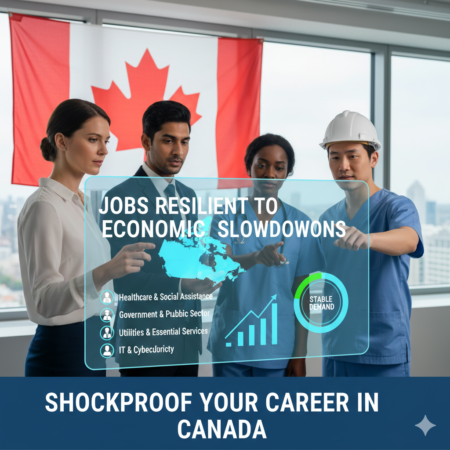
Jobs Resilient to Economic Slowdowns
Jobs Resilient to Economic Slowdowns
Economic uncertainty forms a natural part of global markets. Periods of rapid expansion often give way to slower growth, tighter budgets, and cautious hiring. While some industries shrink during downturns, others continue to grow, maintain stability, or experience minimal disruption.
For professionals, job seekers, and career planners, understanding which roles withstand economic pressure offers a major advantage. Career resilience protects income, reduces stress, and supports long-term financial stability.
This article explores the types of jobs that remain strong during economic slowdowns, the reasons behind their durability, and practical strategies for building a recession-resistant career.
Economic Slowdowns: What Really Happens?
Economic slowdowns reduce consumer spending, slow business expansion, and increase financial caution. Companies often freeze hiring, postpone projects, and cut discretionary costs. Industries tied closely to luxury purchases or optional spending typically experience the sharpest declines.
However, slowdowns rarely impact all sectors equally. Essential services, infrastructure functions, and efficiency-driven roles often maintain steady demand. In many cases, downturns reshape priorities rather than eliminating opportunities.
Some professions even gain importance when economic pressure rises.
Defining Job Resilience
A resilient job maintains demand, stability, or growth despite weaker economic conditions. Several characteristics commonly define such roles.
Essential Function
Jobs that support basic human needs rarely disappear. Healthcare, utilities, food production, and public safety remain necessary regardless of financial cycles.
Ongoing Structural Demand
Certain roles benefit from long-term forces such as demographic changes, technological evolution, or regulatory requirements. These drivers operate independently of short-term market fluctuations.
Operational Importance
Positions that help organizations manage costs, improve productivity, or reduce risks often gain greater relevance during downturns.
Skill Scarcity
Highly specialized skills protect workers from sudden displacement. Employers continue competing for scarce expertise even when hiring slows.
Healthcare Careers: Stability Through Constant Demand
Healthcare consistently demonstrates resilience across economic cycles. Medical needs do not decline when markets weaken. Aging populations, chronic illnesses, and expanding care models sustain workforce demand.
Hospitals, clinics, and care facilities must maintain staffing levels to deliver essential services.
Strong Healthcare Roles
- Registered nurses
- Medical technicians
- Diagnostic imaging specialists
- Healthcare assistants
- Pharmacists
- Mental health counselors
Healthcare systems operate on necessity rather than consumer preference. This fundamental reality shields many medical professions from economic volatility.
Skilled Trades: Durable Careers Built on Practical Needs
Skilled trades remain highly resilient because infrastructure and equipment require continuous maintenance. Buildings, machinery, utilities, and transportation networks demand constant attention.
Economic pressure may slow new projects, but repair and maintenance work continues.
High-Resilience Trade Careers
- Electricians
- Plumbers
- HVAC technicians
- Industrial mechanics
- Welders
- Construction technicians
Many trade professions benefit from persistent skill shortages. This scarcity enhances job security and bargaining power.
Hands-on expertise offers strong protection against market fluctuations.
Technology Roles: Resilience Through Efficiency
Technology-driven roles frequently maintain stability during downturns. Businesses increasingly rely on digital tools to cut costs, automate processes, and improve operational efficiency.
When budgets tighten, companies prioritize technology investments that enhance productivity.
Resilient Tech Careers
- Cybersecurity specialists
- Cloud infrastructure professionals
- Software developers
- IT support technicians
- Data analysts
- Automation engineers
Cybersecurity demand remains especially strong. Organizations must protect digital systems regardless of economic conditions.
Digital transformation becomes a survival strategy during slow growth periods.
Supply Chain and Logistics Professionals
Economic slowdowns alter purchasing behavior, but goods must still move efficiently. Logistics and supply chain management remain central to business operations.
Cost control, inventory optimization, and risk mitigation become even more critical when margins tighten.
Stable Logistics Roles
- Supply chain analysts
- Procurement specialists
- Warehouse managers
- Transportation coordinators
- Inventory planners
Disruptions and uncertainties increase the value of professionals who manage operational flow.
Government and Public Sector Careers
Public sector roles often provide consistent stability. Government services, regulatory functions, and public programs continue operating despite economic cycles.
In many cases, governments increase spending during downturns to stimulate growth.
Reliable Public Sector Roles
- Educators
- Civil service professionals
- Public health workers
- Emergency responders
- Infrastructure specialists
Government-backed employment structures tend to fluctuate less dramatically than private sector markets.
Finance, Accounting, and Compliance
Economic uncertainty heightens the need for financial oversight. Organizations require stronger budgeting, forecasting, and regulatory compliance during challenging periods.
Professionals who help companies manage resources become highly valuable.
Resilient Financial Careers
- Accountants
- Financial analysts
- Auditors
- Compliance officers
- Risk management specialists
Businesses cannot operate without financial clarity, especially when revenue slows.
Maintenance and Repair Specialists
Every industry depends on operational continuity. Equipment failures, system breakdowns, and infrastructure wear require constant attention.
During downturns, businesses often repair rather than replace assets.
Stable Technical Support Roles
- Maintenance technicians
- Equipment repair specialists
- Field service technicians
- Technical support professionals
Maintenance work increases efficiency and extends asset life priorities that align strongly with cost-conscious environments.
Agriculture and Food Industry Careers
Food demand remains stable regardless of economic conditions. Agriculture, food processing, and distribution systems sustain steady workforce needs.
Essential consumption protects employment stability.
Durable Roles
- Agricultural technicians
- Food safety inspectors
- Processing plant operators
- Quality assurance specialists
Population growth and supply chain complexity further reinforce demand.
Energy and Utility Careers
Energy infrastructure supports modern society. Utilities must maintain continuous operations across economic cycles.
Infrastructure upgrades and sustainability initiatives sustain job growth.
Stable Energy Roles
- Power system technicians
- Renewable energy specialists
- Utility maintenance professionals
- Grid operations staff
Energy demand fluctuates less sharply than discretionary sectors.
Education and Training Professionals
Economic slowdowns often trigger workforce transitions. Workers seek new skills, while organizations invest in retraining programs.
Learning remains essential during economic shifts.
Stable Education Roles
- Vocational trainers
- Online educators
- Career development advisors
- Skills coaches
Reskilling efforts often increase during uncertain periods.
Industries Most Vulnerable to Slowdowns
Certain sectors react strongly to economic pressure.
High-Sensitivity Fields
- Luxury retail
- Tourism and hospitality
- Entertainment
- Real estate development
- Non-essential consumer goods
These industries depend heavily on discretionary spending. Consumer caution quickly affects hiring and stability.
Strategies for Building a Recession-Resistant Career
Career resilience requires intentional planning rather than simple industry selection.
ALSO READ: Certification-Driven Professions in Canada With High Employability
CHECK: How To Get Mud Out Of Carpet Without Vacuum
Develop Transferable Skills
Transferable capabilities increase professional flexibility:
- Critical thinking
- Communication
- Digital literacy
- Problem solving
- Data interpretation
Versatile skills enable smoother transitions during market shifts.
Focus on High-Value Contributions
Roles that directly influence efficiency, cost reduction, or risk management offer stronger protection.
Employers retain professionals who support operational survival.
Invest in Certifications
Certifications strengthen employability and credibility:
- Technical credentials
- Industry licenses
- Compliance certifications
- Project management qualifications
Credentials reduce hiring risk for employers.
Build Multi-Disciplinary Knowledge
Cross-functional expertise increases resilience:
- Technology + Finance
- Healthcare + Data Analytics
- Logistics + Automation
Hybrid skillsets align with evolving market needs.
Commit to Continuous Learning
Economic change accelerates skill evolution. Professionals who update knowledge remain competitive.
Adaptability drives long-term stability.
Long-Term Trends Supporting Stable Careers
Several structural trends reinforce job resilience:
Demographic Shifts
Aging populations sustain healthcare and support service demand.
Technological Advancement
Automation, cybersecurity, and analytics roles continue expanding.
Infrastructure Investment
Maintenance, skilled trades, and technical support roles benefit.
Energy Transition
Renewable energy and sustainability-focused careers grow steadily.
The Broader Impact of Career Stability
Job resilience provides benefits beyond income security. Stability reduces stress, supports financial planning, and strengthens professional confidence.
Workers who understand labor market dynamics make calmer decisions during uncertainty.
Career resilience often shapes personal resilience.
Final Perspective
Economic slowdowns reshape opportunities rather than eliminating them entirely. Essential services, efficiency-focused roles, and structurally driven professions maintain strong demand.
Healthcare workers, skilled trades professionals, technology specialists, logistics experts, financial professionals, educators, and maintenance technicians often experience greater stability.
Professionals who combine adaptable skills with strategic career planning position themselves for long-term success.
Economic cycles will continue.
Career resilience remains a deliberate choice.
Focus on enduring value, develop scarce expertise, and remain adaptable.